
Starting yoga can feel exciting yet a little intimidating. You might see dozens of unfamiliar pose names — Warrior, Triangle, Downward Dog — and wonder where to begin. But here’s something reassuring: if you’ve ever stretched your arms overhead after waking up, you’ve already done a yoga pose.
Yoga is not about how flexible or strong you are — it’s about awareness, connection, and steady progress. Every asana (pose) is a small step toward balance between your body, mind, and breath. Over time, you’ll learn to move mindfully, breathe deeply, and listen to your body’s natural rhythm.
Let’s explore the main types of yoga poses, their purposes, and a few fundamental ones that can guide you through your early practice.
Types of Yoga Poses
1. Standing Poses
Standing poses are the foundation of most yoga practices. They build stability, strength, and focus. You’ll often start a class with standing poses to warm up your muscles and create energy in the body.
Examples include Mountain Pose (Tadasana), Warrior I (Virabhadrasana I), and Triangle Pose (Trikonasana).
These poses help you find alignment, improve posture, and develop awareness of how you distribute weight through your feet and legs.
2. Balancing Poses
Balancing poses strengthen your core and improve concentration. They also teach patience and mindfulness — because balance isn’t just physical, it’s mental.
Common examples are Tree Pose (Vrksasana) and Half Moon Pose (Ardha Chandrasana).
Beginners often wobble or fall out of balance at first, which is completely normal. Over time, you’ll notice more steadiness and control.
3. Backbends
Backbends counteract the effects of sitting and slouching. They open the chest, stretch the front of the body, and strengthen the spine.
Gentle backbends like Cobra (Bhujangasana) or Bridge Pose (Setu Bandha Sarvangasana) are perfect for beginners.
These movements also boost energy and improve spinal mobility — essential for a healthy, flexible back.
4. Seated Poses
Seated poses usually come near the end of a yoga class when your body is warm and relaxed. They stretch the hips, hamstrings, and lower back while calming the mind.
Poses like Staff Pose (Dandasana), Cobbler’s Pose (Baddha Konasana), and Seated Forward Bend (Paschimottanasana) help release physical tension and prepare you for meditation.
5. Resting or Supine Poses
These poses allow your body to relax and absorb the benefits of practice. They are just as important as the active ones.
Child’s Pose (Balasana) and Corpse Pose ( Savasana ) encourage deep rest, mindfulness, and awareness of breath.
Essential Yoga Poses for Beginners
Here are a few foundational poses that introduce you to yoga’s physical and mental benefits.
1. Mountain Pose (Tadasana)
Mountain Pose looks simple but forms the base for all standing postures.
Stand tall with your feet hip-width apart, spine straight, and shoulders relaxed. Root your feet into the ground and imagine energy rising up through the crown of your head.
This pose improves posture and teaches balance and stability.
2. Downward Facing Dog (Adho Mukha Svanasana)
A well-known pose that strengthens the arms, shoulders, and legs while stretching the spine and hamstrings.
Start on your hands and knees, lift your hips toward the sky, and press your heels gently toward the floor.
Focus on lengthening your back rather than touching your heels down.
3. Warrior I & II (Virabhadrasana I & II)
Warrior poses are powerful and grounding. They build leg strength, stability, and concentration.
In Warrior I, your hips face forward; in Warrior II, they open to the side. Keep your front knee aligned over your ankle and your arms extended.
These poses symbolize inner strength and courage — qualities yoga helps cultivate.
4. Triangle Pose (Trikonasana)
A graceful posture that improves balance, flexibility, and awareness of body alignment.
With your legs wide apart, reach one arm toward your ankle and the other toward the sky, keeping your chest open.
Triangle Pose strengthens the legs and stretches the hips, spine, and shoulders.
5. Tree Pose (Vrksasana)
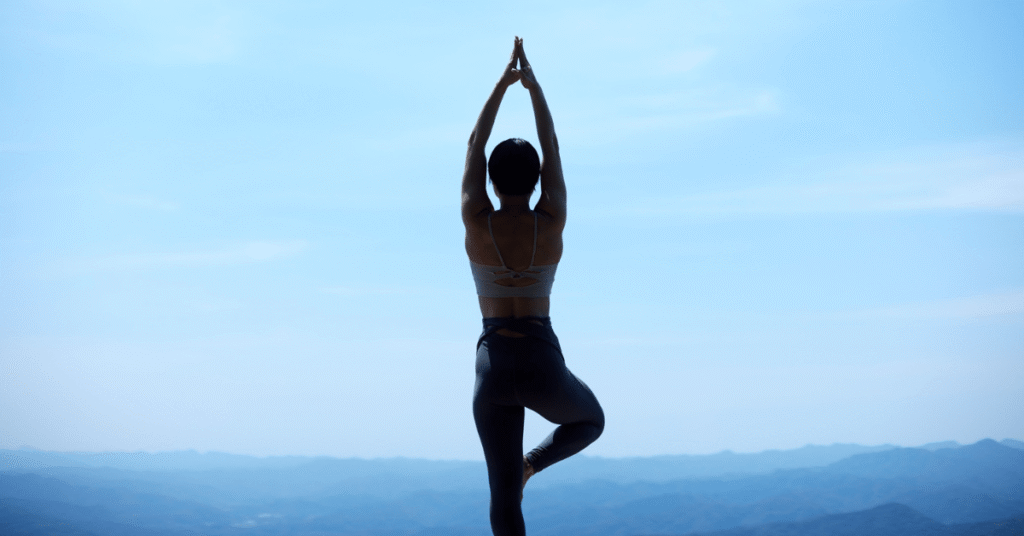
An excellent introduction to balance. Stand tall, place one foot on your opposite ankle or thigh, and bring your palms together at your heart.
Focus your gaze on one steady point to maintain balance. Tree Pose helps develop focus, patience, and grounded energy.
6. Bridge Pose (Setu Bandha Sarvangasana)
Lie on your back, bend your knees, and lift your hips toward the ceiling.
This pose strengthens your glutes and spine while opening the chest and calming the mind.
7. Cat-Cow (Chakravakasana)
A simple yet powerful flow between two postures — Cat (rounding the spine) and Cow (arching the spine).
It warms up your back, improves flexibility, and synchronizes movement with breath.
8. Seated Forward Bend (Paschimottanasana)
Sit with your legs extended and fold forward from your hips, reaching toward your feet.
This pose stretches your entire back body, releases tension, and promotes relaxation.
9. Child’s Pose (Balasana)
A gentle resting posture that stretches the hips, back, and thighs.
It’s a place of surrender and calm — take it anytime during practice when you need a break.
10. Corpse Pose (Savasana)
The final resting pose in most yoga sessions. Lie flat on your back, arms by your sides, and close your eyes.
It allows your body and mind to fully relax, helping you absorb the effects of your practice.
Building a Meaningful Yoga Practice
Yoga is not a competition — it’s a personal journey. You don’t need to rush into advanced postures or perfect every alignment. What matters is consistency, breath awareness, and kindness toward your body.
Here are a few tips to deepen your practice:
- Start small: Even 10–15 minutes of mindful movement can make a difference.
- Use props: Blocks, straps, and blankets can make poses more accessible and comfortable.
- Focus on your breath: Your breath is your guide. Move in sync with it.
- Create a calm space: Practice in a quiet corner where you can relax without distractions.
- Listen to your body: Pain is a signal to pause. Yoga should feel supportive, not painful.
Over time, you’ll notice how yoga improves not only your flexibility and strength but also your mindset — helping you stay calm, patient, and present in everyday life.
Final Thoughts
Learning yoga is a lifelong journey, not a destination. With patience and regular practice, these beginner poses will start to feel natural, and your confidence will grow.
Yoga invites you to slow down, connect with yourself, and move with intention — one breath, one pose at a time.
